
Surestep SMO Orthotics
North Brisbane
Surestep Supramalleolar Orthosis (SMO)
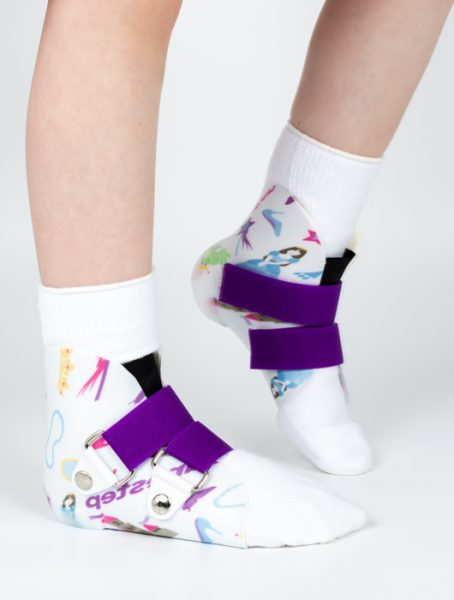
The Surestep Supramalleolar Orthosis (SMO) is a specialised, custom-engineered paediatric orthotic device designed to stabilise and align the developing foot and ankle. Unlike traditional, rigid orthotic braces that lock the ankle, the Surestep SMO is manufactured from ultra-thin, flexible thermoplastic. It uses patented circumferential compression – acting like a supportive “bear hug” around soft foot tissues, to stabilise the heel and re-establish the arch without restricting natural movements like running, jumping, and climbing.
By guiding the lower limb into biomechanical alignment while allowing full ankle range of motion, Surestep SMOs empower unsteady or hypermobile children to gain stability, improve balance, and achieve key gross motor milestones with confidence.
What is an SMO & How Does it Differ from an AFO?
Paediatric Foot Instability: Symptoms, Causes & Treatments
Symptoms
Causes
Treatment Options
Getting a Surestep SMO: Our Clinical Process
1. Comprehensive Biomechanical Assessment
Our podiatrists assess your child’s gait, joint range of motion, muscle tone, and developmental milestones to ensure an SMO is the optimal intervention.
2. Precision Scanning & Measurements
No messy plaster casting is required! We capture precise 3D scans and anatomical measurements of your child’s foot and ankle for an accurate, custom fit.
3. Custom Fabrication
Your child’s orthoses are custom-built by Surestep using ultra-thin thermoplastic, customized with child-friendly patterns and colours of their choice.
4. Fitting & Integration
We fit the SMOs, evaluate gait stability, make any required on-site adjustments, and provide advice on socks, shoes, and wearing schedules.
5. Growth Reviews & Progression
We monitor your child’s gross motor progression and adjust or graduate the orthoses as their stability, strength, and confidence develop.
FAQs
How does the Surestep SMO correct pronation differently from standard arch supports?
Most standard inserts attempt to correct flat feet by pushing directly up on the collapsed arch. The Surestep SMO uses circumferential compression around the entire foot and ankle. By gently stabilizing the calcaneus (heel bone) at the foundation, the arch lifts naturally and the forefoot re-aligns without restricting muscle activation.
SMOs are designed for weight-bearing activities throughout the day (standing, walking, running, and daycare/school activities). They are removed during sleep, rest periods, and bath time. Most children wear them consistently for anywhere from 9 to 24 months, depending on their developmental milestones and muscle tone progression.
Does my child need to be casted in plaster to have an SMO made?
No. Traditional messy plaster casts are not required. Our podiatrists obtain measurements and 3D digital scans. This ensures an exact anatomical fit while keeping the clinical appointment comfortable and stress-free for your child.
How do I know when my child has outgrown their Surestep SMO?
Surestep SMOs feature an open-toe trimline allowing the toes to move freely. Braces generally last 9 to 12 months through normal growth. A pair is typically outgrown when the base of the pinky toe (the 5th metatarsal head) sits completely past the front plastic edge of the brace, or if the instep becomes too tight and causes lingering red marks that persist longer than 30 minutes after removal.
How do I clean and care for the braces?
Wipe down the plastic shell and internal foam using a damp cloth with mild hand soap and warm water, or use isopropyl alcohol on a cotton cloth. Avoid soaking or submerging the braces in water, as this can weaken the foam adhesive. Always allow them to air-dry completely before putting them back on.
Are Surestep SMOs funded by Medicare or the NDIS in Australia?
Custom orthotic devices like Surestep SMOs and AFOs are generally not covered by standard Medicare. However, they are routinely fully funded under the National Disability Insurance Scheme (NDIS) for eligible self-managed, plan-managed, or NDIA-managed participants under assistive technology categories. Private health insurance extras policies with orthotics/podiatry coverage may also provide rebates depending on your level of cover.